The mission of UW Medicine's Harborview Medical Center is to provide exceptional healthcare to the most vulnerable residents of King County, while advancing medical education and delivering exemplary patient care.
As the only designated Level 1 adult and pediatric trauma center in Washington state, Harborview faces a critical demand for inpatient services that exceeds its current capacity due to aging facilities, driving the vision for a new tower and renovations to existing spaces.
To bring this vision to life, we have assembled a powerhouse design/build team comprising Clark Construction, SmithGroup, Abbott, and Layton. Our local, award-winning team of architects, contractors, and planners is committed to partnering with UW Medicine and Harborview Medical Center throughout the design/build process. Together, we look forward to delivering an outstanding healthcare solution that will support Harborview's next phase of growth and continue its legacy of excellence.
Featured below are examples of the extensive experience and expertise our team brings to this transformative project:
Wilma Chan Highland Hospital Campus

The Wilma Chan Highland Hospital Campus is Alameda Health System’s state-of-the-art Level 1 trauma center and community hospital. The renovation of the hospital included the design of a nine-story, 169-bed acute care tower replacement and adjacent three-story, 71,000 gsf medical office building within the existing campus. The design solution is inspired by the campus’ historical significance and sustainability goals of LEED Gold for the MOB and LEED Silver for the hospital. This project totaled more than 518,800 gsf with a construction value of $407 million. When the project began construction, it represented the largest healthcare project in California using design-build delivery. Completed with Clark Construction.
UC Davis Health California Tower
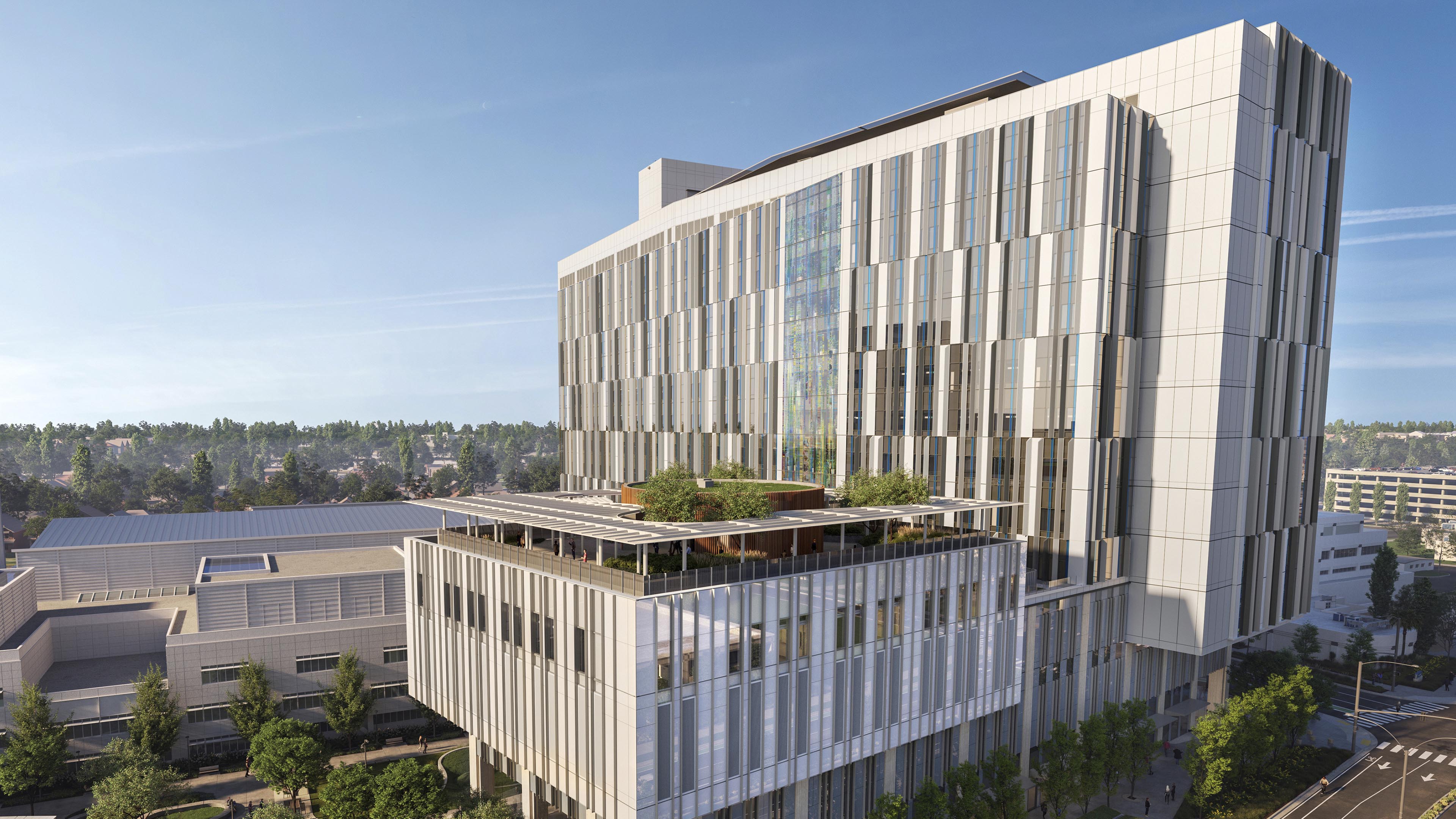
The UC Davis Health California Tower is a transformative healthcare facility set to redefine patient care and community health in Sacramento, featuring a 14-story hospital facility and a 5-story pavilion, adding 334 private patient rooms designed to improve recovery and reduce infection rates. The progressive design-build, 910,000-square-foot, $3.7 billion project will enhance health outcomes and support the socioeconomic fabric of the region. The 230-foot tower will be a prominent fixture of the skyline, with design features that ensure patient privacy and support reduced energy consumption.
Sutter Health California Pacific Medical Center
Van Ness Campus Hospital
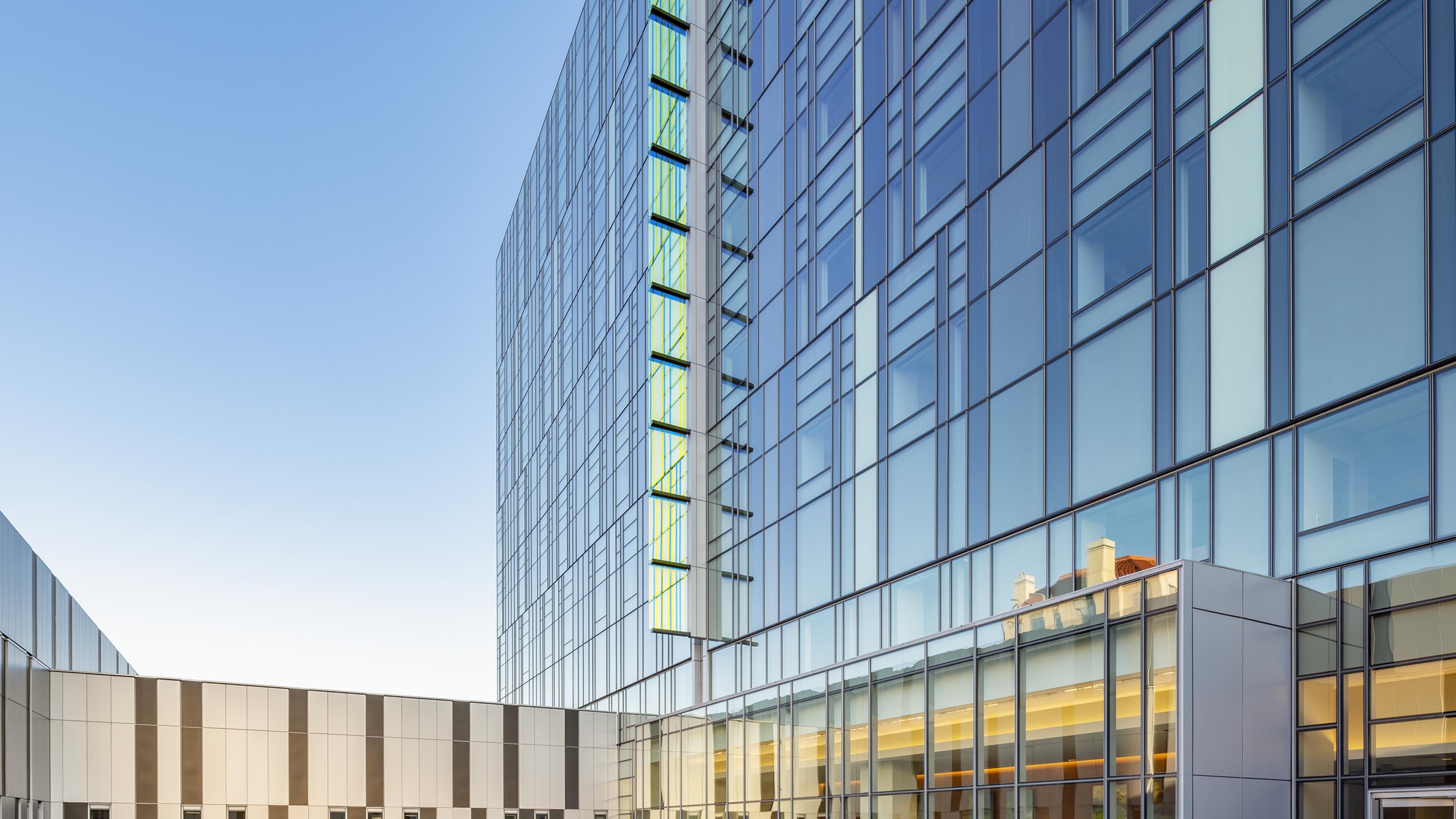
The 12-story, 274-bed California Pacific Medical Center (CPMC) Van Ness Campus unites two existing urban campuses into a tertiary and quaternary hub for CPMC’s facilities citywide, housing adult acute care and women’s and children’s in one building. The integrated project delivery team utilized forward-thinking methodologies including Lean programming and state-of-the-art modeling and fabrication techniques to create one of the smartest, safest and most sustainable hospitals in the country, nearly a year ahead of schedule and $150 million below the original budget estimate.
UC Davis Health - 48X Complex
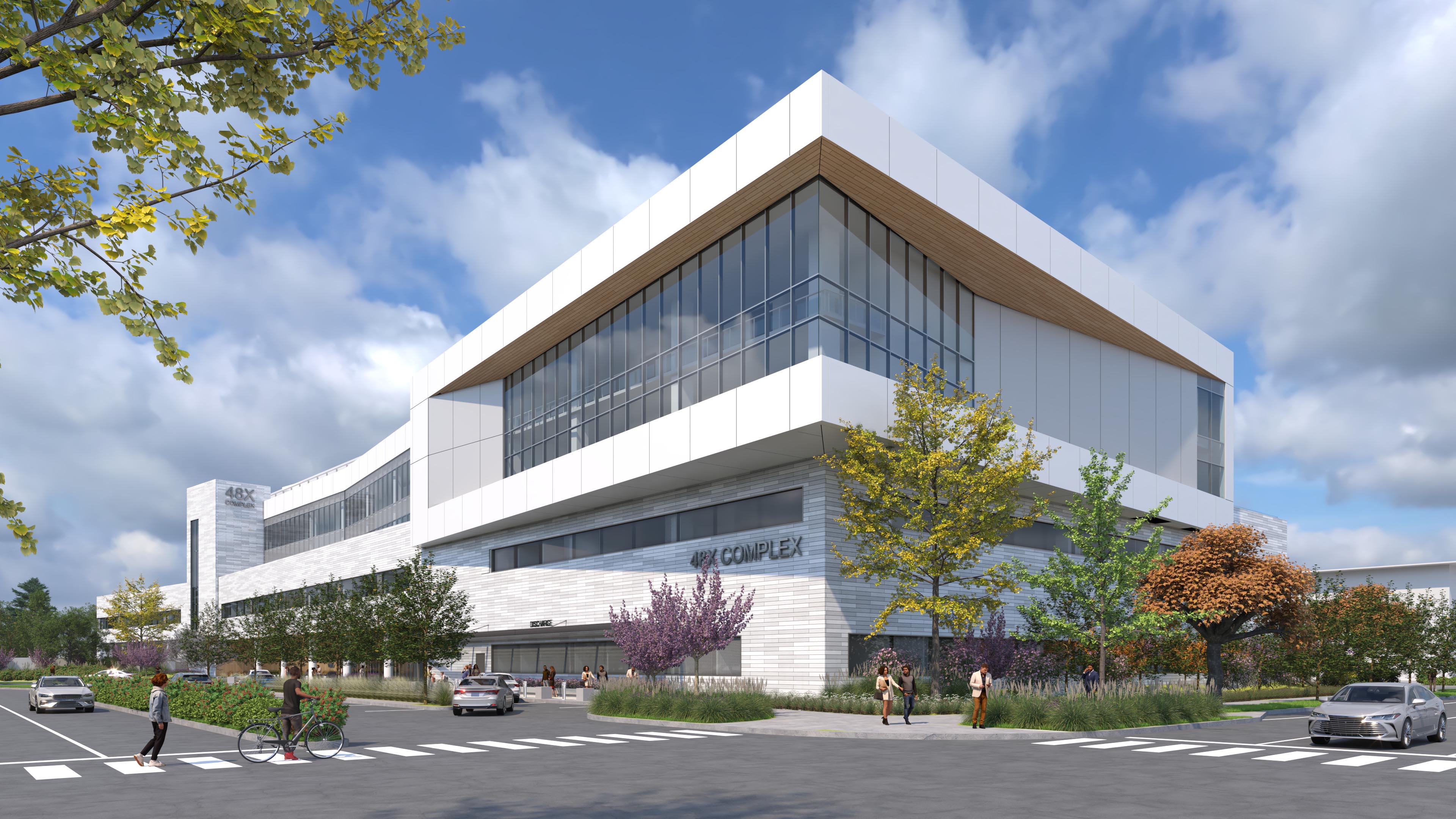
Expected to open in July 2025, the four-story, 268,228-square-foot “48X Complex” will address the shortage of ambulatory operating room capacity at UC Davis Health’s main hospital. This progressive design-build project will support a preliminary program of 14 operating rooms, 59 pre- and post-operative recovery bays, 14 single occupant 23-hour recovery rooms, 96 clinical exam rooms and 19 clinical treatment rooms. The building will include public spaces, clinical support, operations space, imaging space, physical therapy space and administration support space to facilitate patient support and education.
UCSF Benioff Children's Hospital Oakland
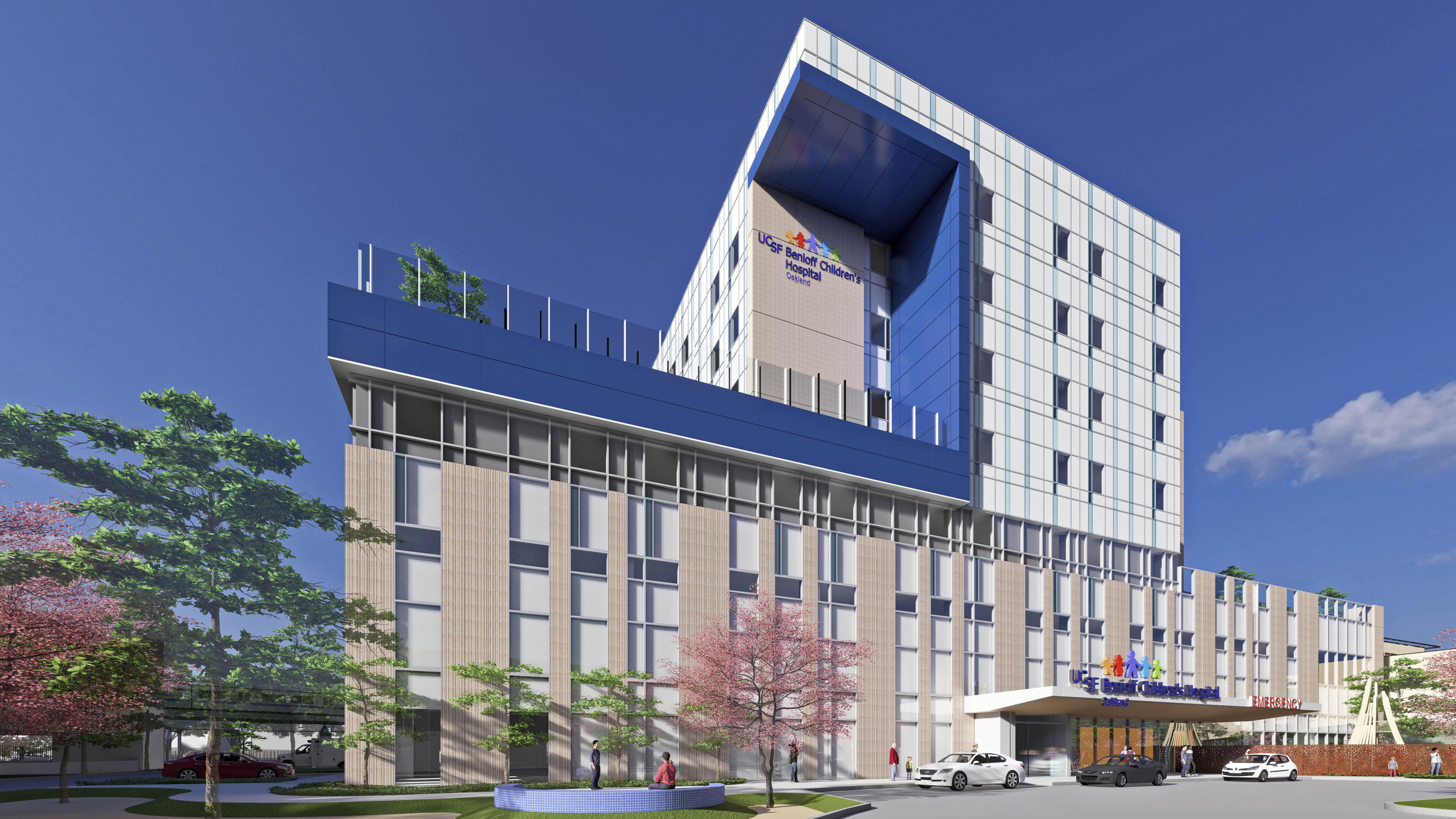
UCSF Benioff Children’s Hospital Oakland, a historic pediatric hospital, will open a new $1.5 billion facility in 2030. The seven-story building will offer a healing environment with outdoor access, family-friendly spaces, and state-of-the-art equipment. It will double the emergency department size, add a neonatal intensive care unit, and increase single-patient rooms from 39 to 137. The facility will also include a 20-bed inpatient behavioral health unit, serving patients from all economic backgrounds, reinforcing its legacy as a compassionate community hospital.
Lawrence Berkeley National Laboratory
Biological and Environmental Program Integration Center (BioEPIC)
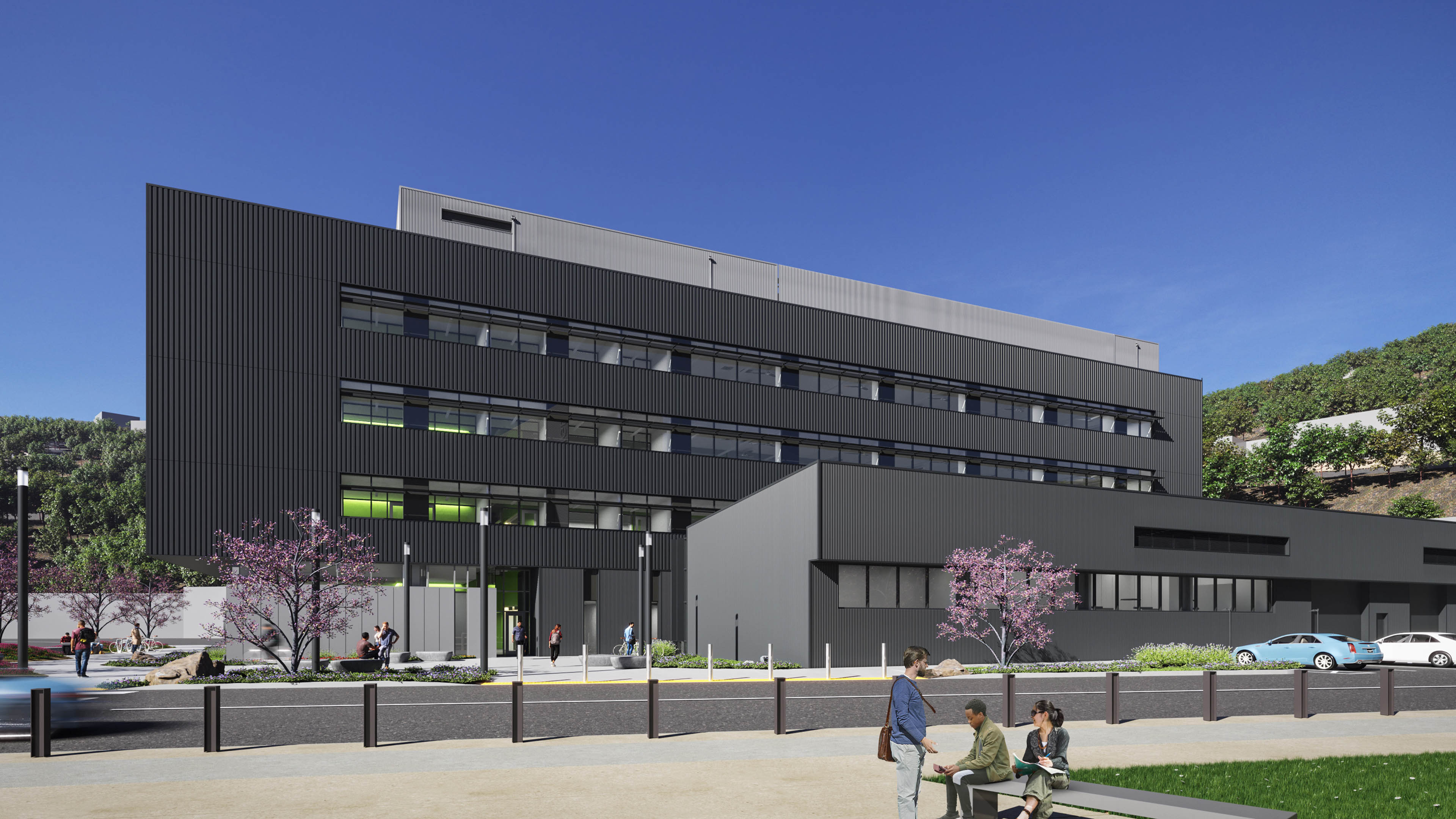
The Biological and Environmental Program Integration Center (BioEPIC) is a 73,600 gross square foot, five-story laboratory located at the Lawrence Berkeley National Laboratory (LBNL) in Berkeley, California. The new facility promotes scientific discovery by co-locating two groups together and fostering multidisciplinary team collaboration. Facility building systems promote long-term flexibility, optimize energy efficiency and enhance occupant health to achieve the goals of delivering a high-performing building that minimizes impact to the environment. Akin to the multi-disciplinary approach of the researchers, the design team implemented an integrated design approach. The project is being completed with Clark Construction.
Louisville VA Medical Center
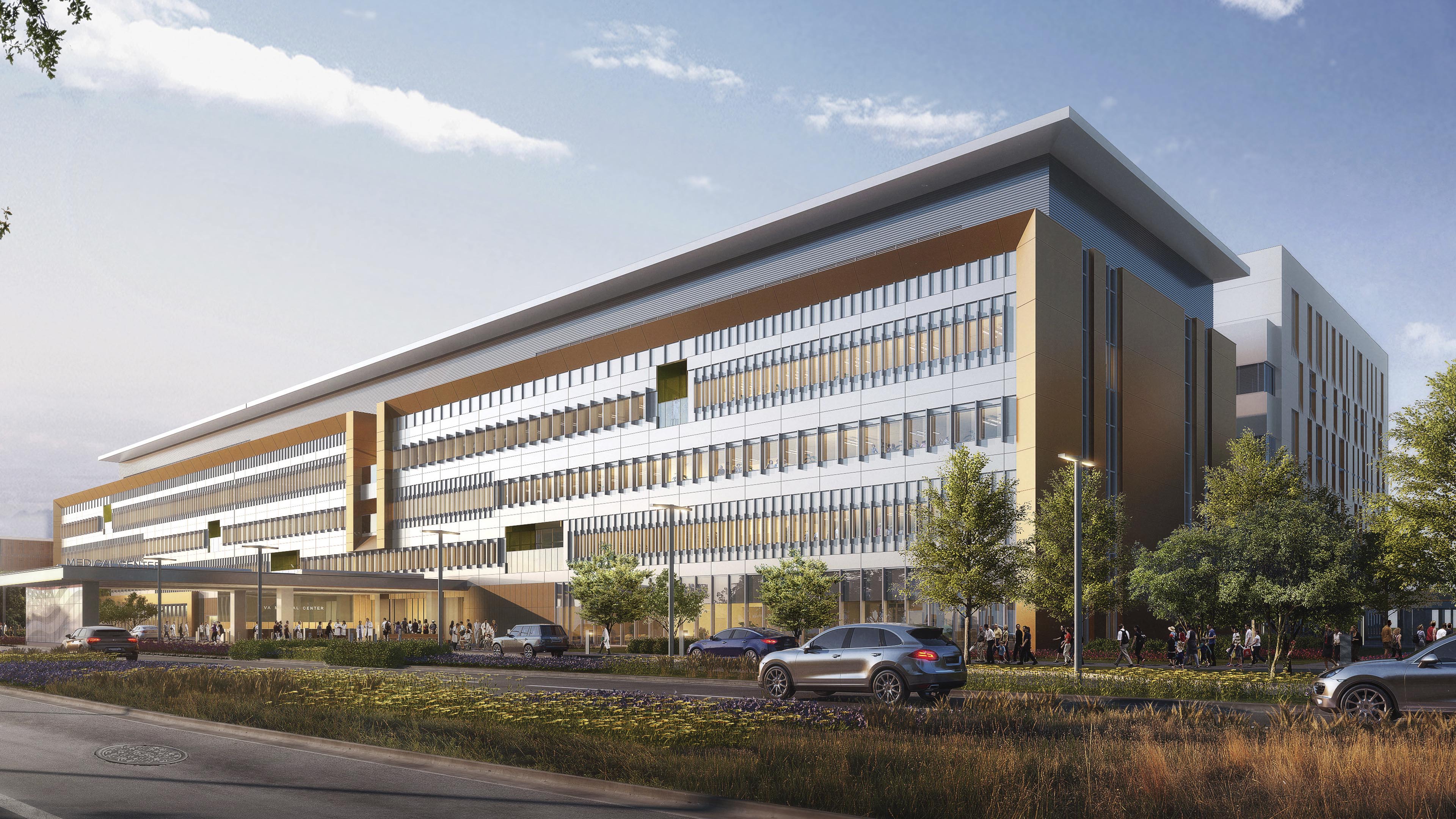
The 972,000-square-foot Louisville VA Medical Center serves Veterans with both outpatient and inpatient care, emphasizing expanded access to primary, specialty, surgical, and mental health services. The design integrates architecture with nature, highlighting biophilia’s role in health. Building on decades of service to Kentuckiana Veterans, this facility aims to set a standard for excellent, patient-centered, evidence-based care. It fosters a collaborative environment conducive to learning, research, disease prevention, and continuous improvement.
Emory University Hospital Expansion
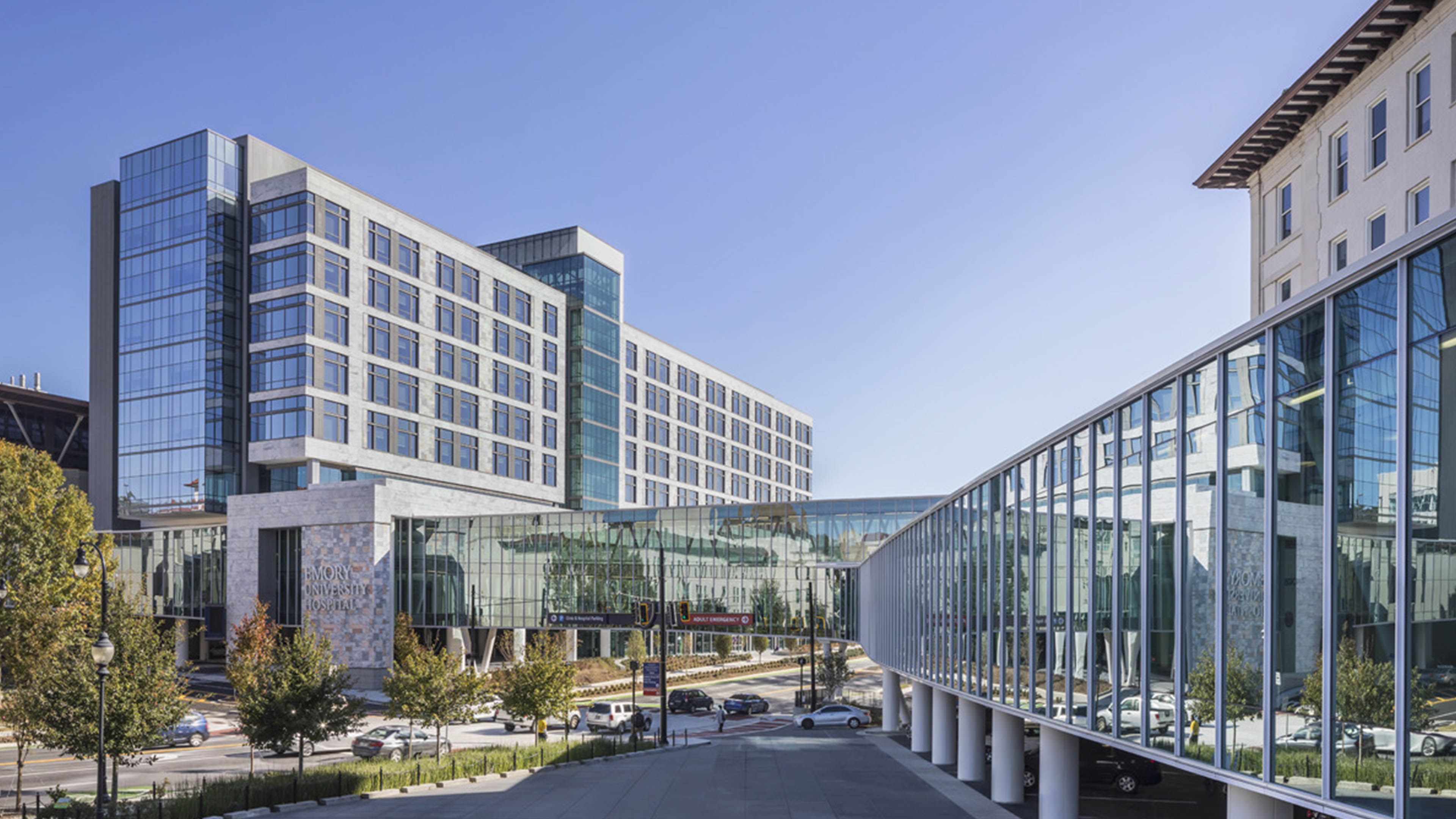
The 450,000-square-foot expansion of the Emory University Hospital’s (EUH) main campus creates a new gateway to the Woodruff Health Sciences campus, part of a long-term plan to relocate major hospital services, consolidate operations, and free up space for additional research and teaching facilities. The EUH Expansion vastly increased the size of the Southeast’s most important medical center. It represents a project rooted in the realities of strict budgets and the necessity to do “more with less,” repositioning the EUH for the future and continuing its role as one of the nation’s leading academic medical centers and top ranked cancer centers.


